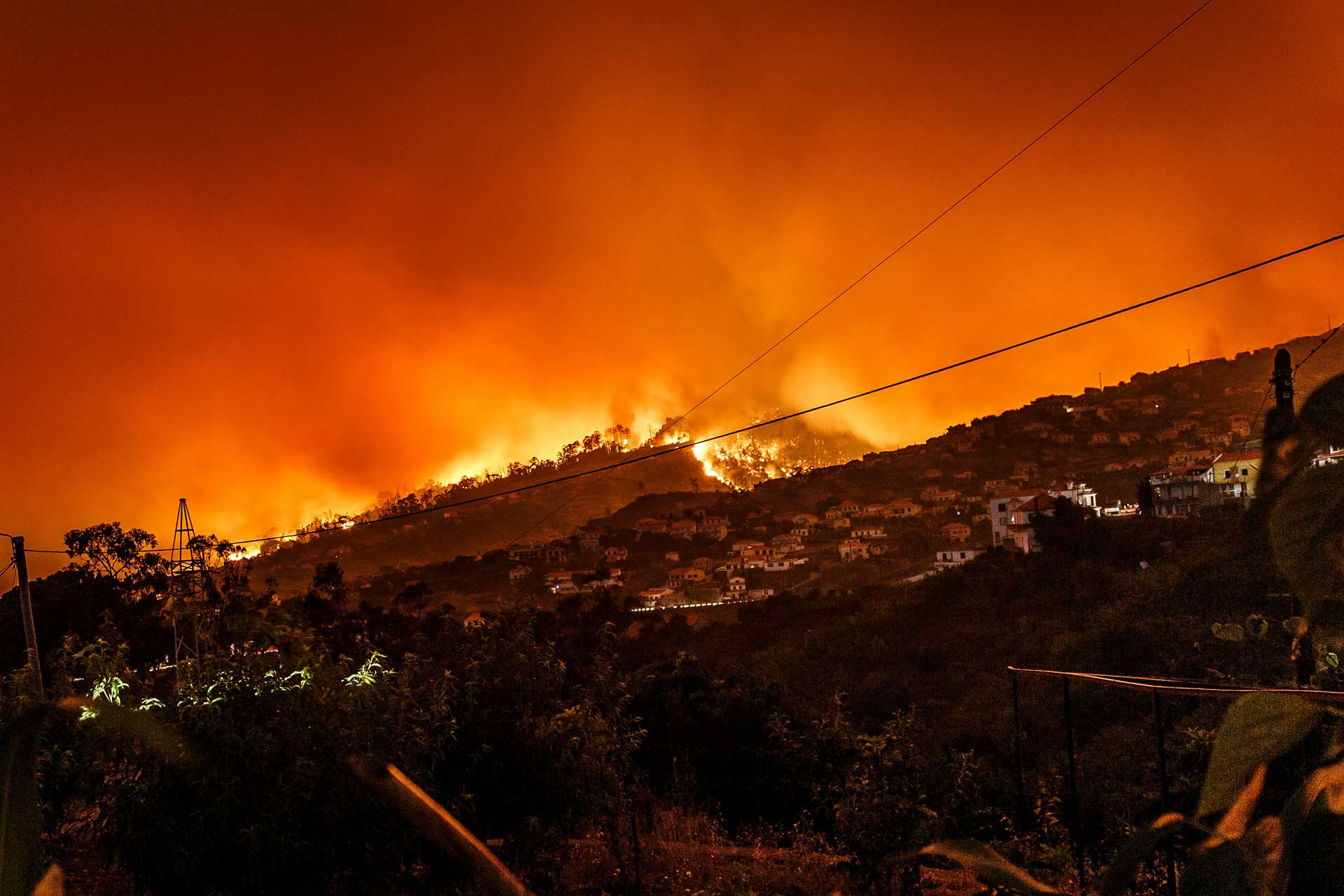
As an attorney, I’ve witnessed the devastating impact of wildfires on families across the West Coast and beyond. With the 2025 wildfire season already raging—fueled by prolonged droughts, high winds, and climate patterns that show no signs of abating—homes are vanishing in flames faster than ever. Just last month, the massive blazes in California and Oregon displaced thousands, leaving behind not just ash, but a trail of financial ruin for those whose insurance companies drag their feet or deny claims outright.
In the midst of this chaos, one piece of advice stands out: Check your homeowners insurance policy today. It’s not just about coverage—it’s about understanding the fine print that could determine whether you rebuild or face years of hardship. And if, God forbid, your home is lost to a wildfire and your insurer refuses to pay what they owe, you may have grounds to sue for “bad faith.” In this post, I’ll walk you through why a policy review is crucial, what to look for amid the smoke, and the steps to hold your insurer accountable from a legal standpoint.
Why Now? The Rising Tide of Wildfire Risks and Insurance Gaps
Wildfires aren’t just a seasonal threat anymore; they’re a year-round crisis. According to recent reports, insured losses from wildfires have topped $100 billion in the last decade, with 2025 already on track to be one of the costliest years yet. But coverage isn’t universal. Many policies exclude “acts of God” or environmental catastrophes unless you have specific endorsements. I’ve seen clients blindsided because their standard policy didn’t include wildfire-specific protections, like coverage for smoke damage or evacuation costs.
Reviewing your policy isn’t a one-time chore—do it annually, especially before fire season peaks. Pull out that binder (or log into your online portal) and scrutinize these key areas:
1. Core Coverage for Fire and Smoke Damage
- Does your policy explicitly cover wildfires as a “named peril”? Most homeowners policies include fire, but some older or basic ones might limit it to “accidental” fires, excluding those sparked by natural causes.
- Check for smoke damage: Wildfire smoke can infiltrate walls, HVAC systems, and furnishings, leading to claims for cleanup and restoration. Without an “all-risk” or open-peril policy, you might be left paying out of pocket.
- Pro Tip: Look for replacement cost value (RCV) vs. actual cash value (ACV). RCV covers rebuilding at current prices without depreciation—vital when lumber and labor costs skyrocket post-disaster.
2. Exclusions and Limitations
- Wildfire-specific exclusions: Some insurers in high-risk areas like California have added clauses denying claims if fires are deemed “unavoidable” or if your home lacks fire-resistant features (e.g., no ember-resistant vents).
- Ordinance or law coverage: After a fire, building codes often require upgrades (like fire sprinklers). Standard policies might not cover the extra cost—aim for at least $50,000 in this endorsement.
- Earth movement: If a wildfire leads to landslides or mudflows, that’s often excluded. Add separate coverage if you’re in a prone area.
3. Additional Living Expenses (ALE) and Evacuation
- If you’re forced to evacuate, ALE should cover hotel stays, meals, and storage for up to 12-24 months. But limits vary.
- Temporary housing riders: Essential for wildfire zones, as evacuations can last months.
4. Deductibles and Waiting Periods
- Percentage deductibles: In wildfire hotspots, these can be 1-5% of your home’s value (e.g., $20,000 on a $500,000 home). Know yours and consider increasing it for premium savings if you can afford the hit.
- Sub-limits: Policies often cap personal property (e.g., 50-70% of dwelling coverage) or debris removal (10%). Wildfires destroy everything—ensure these align with your assets.
If your policy looks thin, shop around or add riders now. Insurers like State Farm and Allstate have pulled back from high-risk areas, so locking in coverage before the next blaze is key.
The Nightmare Scenario: Your Home Burns, But Insurance Won’t Pay
Imagine the call: “Ma’am, your home is gone.” The flames have taken everything, but your insurer responds with a denial letter citing “insufficient documentation,” “policy exclusion,” or worse, a lowball settlement. This isn’t hypothetical—I’ve represented dozens of wildfire victims whose claims were rejected despite clear coverage.
Denials happen for reasons like:
- Delayed reporting: You must notify your insurer within 24-48 hours of the loss.
- Incomplete proof: Photos, videos, and inventories are crucial—start documenting immediately.
- Underinsurance: If your home was valued too low, you might only get partial payout under a “co-insurance” clause.
- Fraud suspicions: Insurers sometimes allege exaggeration, even when it’s legitimate.
If a legitimate claim is denied, that’s potentially bad faith. Under U.S. law (varying by state), insurers have a duty of good faith and fair dealing. Bad faith occurs when they unreasonably deny, delay, or undervalue a claim to boost profits. In wildfire cases, this might include ignoring evidence of coverage or pressuring you to accept pennies on the dollar.
Suing for Bad Faith: A Step-by-Step Guide from the Courtroom
Here’s how it unfolds:
1. Gather Evidence and File Your Claim Properly
- Document everything: Fire reports, adjuster notes, correspondence. Hire a public adjuster (they take 10% but often double your payout).
- Appeal the denial internally first—most policies require this. Be persistent; delays can be bad faith in themselves.
2. Consult an Attorney Immediately
- Time is critical: Statutes of limitations for bad faith suits are 1-4 years, but evidence fades fast. Find a lawyer experienced in insurance litigation (check bar associations or firms specializing in bad faith)
- Initial consults are often free.
3. Building Your Bad Faith Case
- Prove Coverage: First, establish the claim should have been paid. Use policy language, photos, and witness statements.
- Show Unreasonableness: Evidence of bad faith includes failure to investigate thoroughly (e.g., not sending an adjuster promptly), misrepresenting policy terms, or using undue pressure.
- Damages Beyond the Claim: Bad faith allows punitive damages, emotional distress, and attorney fees—not just the policy amount. Juries hate insurers who abandon policyholders in crisis; awards can exceed $1 million.
4. The Lawsuit Process
- File in state court (e.g., under California’s Insurance Code §790.03 for unfair practices). Discovery uncovers internal emails showing profit-driven denials.
- Settlement is common—insurers settle 70% of bad faith cases to avoid trials. If it goes to court, expert witnesses (like fire investigators) bolster your side.
- Recent Wins: In 2024, a Colorado jury awarded $15 million to a family whose wildfire claim was denied by a major insurer for “lack of proof,” despite ample evidence. Similar cases in Oregon highlight a trend of accountability.
5. Potential Outcomes and Costs
- Success means full policy payout plus extras. But litigation takes 1-3 years and costs $10,000-$50,000 upfront (many firms work on contingency).
- Prevention is better: If your claim is handled fairly, no suit needed. But if denied, don’t sign releases hastily— that’s a common insurer trap.
Final Thoughts: Don’t Let Flames and Fine Print Destroy You Twice
Wildfires are uncontrollable, but your insurance shouldn’t be. Review your policy now—contact your agent, read the declarations page, and consider an independent audit. In the event of loss, act fast and lean on professionals. If your insurer fails you, bad faith laws exist to make them pay dearly.
As your attorney ally, I’m here to help navigate this. If you’ve faced a wildfire claim denial or just want peace of mind, reach out. Stay safe out there—better prepared than burned.
Disclaimer: This post is for general informational purposes and does not constitute legal advice. Laws vary by state, and outcomes depend on specific facts. Consult an attorney licensed in your jurisdiction for personalized guidance.